 Skip to content
How Much Does a Bathroom Remodel Cost in Washington State?
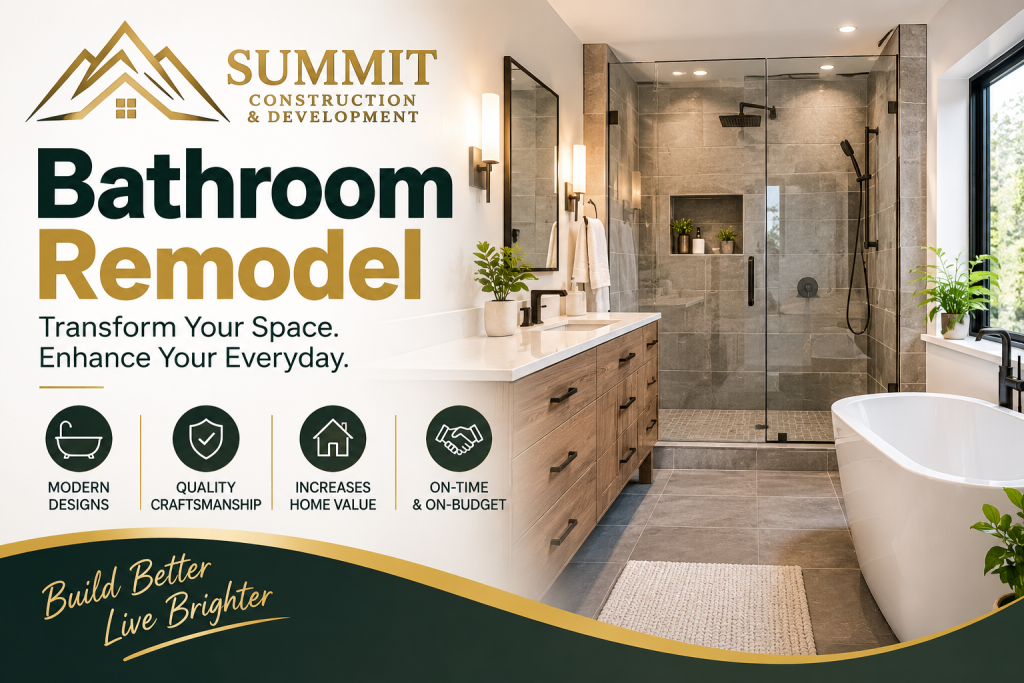
The bathroom is a small room with an outsized impact on how your home feels day to day. It is also one of the most frequently remodeled spaces in homes across Seattle, Tacoma, Bellevue, and the surrounding West Washington region, whether the goal is fixing a dated 1990s vanity, replacing a leaking shower pan, or creating an accessible, aging-in-place bathroom. Because bathrooms involve plumbing, electrical, ventilation, and waterproofing all in a tight footprint, costs can vary more than people expect. Here is what actually shapes the price of a bathroom remodel in Washington State. What Influences Bathroom Remodel Pricing Bathroom size and layout. A half bath or powder room remodel costs far less than a full bathroom with a tub, shower, vanity, and toilet, simply because there are fewer fixtures and less surface area to finish. Whether the layout changes. Keeping the toilet, sink, and shower or tub in their existing locations keeps plumbing costs down. Reconfiguring the layout, such as converting a tub to a walk-in shower or relocating the vanity, requires moving supply and drain lines, which adds both labor and permitting. Fixture and material selection. Standard fiberglass tub-shower combinations and laminate vanities sit at the affordable end. Tiled walk-in showers, frameless glass enclosures, natural stone countertops, and custom vanities all push the budget higher. Waterproofing and tile work. Proper waterproofing behind tile, especially in shower areas, is not optional, and skilled tile installation, particularly for larger format tile or intricate patterns, takes time and expertise that affects labor cost. Ventilation and code compliance. Washington’s damp climate makes proper bathroom ventilation especially important for preventing mold and moisture damage. Some older homes need upgraded exhaust fans or ducting to meet current code, which adds a line item many homeowners do not anticipate. Age of the home. Homes throughout King, Pierce, and Snohomish counties built several decades ago often have outdated plumbing, electrical, or subfloor conditions that are discovered once demolition begins, which is why a reputable contractor builds a contingency into the estimate. Typical Bathroom Remodel Scopes Cosmetic refresh: New paint, updated lighting and fixtures, a new mirror, and possibly a new vanity top, while keeping the existing layout and tub or shower. Mid-range remodel: New vanity, tile flooring, updated shower or tub surround, new toilet, and updated lighting and ventilation, generally without moving plumbing. Full remodel: Reconfigured layout, converted tub-to-shower or added walk-in shower, custom tile work, new plumbing fixtures, and often improved accessibility features. Where Homeowners Get the Most Value Not every dollar spent on a bathroom remodel delivers equal value. A few upgrades consistently stand out: Converting an underused tub to a walk-in shower, particularly in a home’s primary bathroom, both improves daily function and appeals to future buyers. Improved ventilation protects your investment by reducing moisture damage and mold risk, which matters especially in Western Washington’s climate. Durable, water-resistant flooring like porcelain tile or luxury vinyl holds up better long term than materials chosen purely for initial cost. Good lighting, including layered task and ambient lighting, dramatically changes how a bathroom feels without a large budget impact. Accessible and Aging-in-Place Upgrades More homeowners across King, Pierce, and Snohomish counties are incorporating accessibility features into their bathroom remodels, whether planning for their own future needs or preparing a home for aging parents. Features like curbless walk-in showers, built-in benches, grab bars designed to blend with the room’s finishes, comfort-height toilets, and slip-resistant flooring can all be incorporated without giving the room an institutional look, especially when planned from the start rather than retrofitted later. These upgrades tend to add a modest amount to the overall project cost but can meaningfully extend how long a homeowner is able to comfortably stay in their home, which is often a stronger long-term value proposition than any purely cosmetic upgrade. Common Mistakes to Avoid A few missteps show up repeatedly in bathroom remodels. Choosing finishes before confirming the layout can lead to costly changes mid-project. Skipping proper waterproofing behind tile to save a small amount upfront risks expensive water damage down the line. And underestimating ventilation needs in a climate as humid as ours can lead to mold issues within just a year or two of an otherwise beautiful remodel. Working with an experienced contractor who flags these issues early, rather than after they become problems, protects both your budget and your finished space. How to Budget Realistically Get a written, itemized estimate that separates labor, materials, fixtures, and permit costs so you can see exactly where your money is going. If your budget is tight, prioritize function and waterproofing first, since these are the elements that are expensive and disruptive to fix later, and treat finish-level upgrades like countertop material or tile pattern as flexible line items you can adjust to fit your budget. Timing Your Remodel Around Your Household’s Needs If your home has only one bathroom, timing matters as much as budget. Ask your contractor about a realistic timeline for losing full access to the bathroom, and discuss options like a temporary portable setup or staying elsewhere during the most disruptive phase of demolition and plumbing work. Homes with a second bathroom have more flexibility, but it is still worth planning the project around any major life events, guests, or holidays you would rather not navigate mid-renovation. Seasonality can also play a role in scheduling. Contractors in the Seattle area often see higher demand in spring and summer, which can mean longer lead times for scheduling. Planning a bathroom remodel during the fall or winter months sometimes offers more flexibility in scheduling, even though the work itself is unaffected by outdoor weather since it takes place entirely indoors. Frequently Asked Questions How long does a bathroom remodel take? A cosmetic refresh can often be completed in about a week. A mid-range remodel typically takes two to three weeks, and a full remodel with layout changes can take four weeks or more, particularly if custom tile work or plumbing relocation is involved. Is it worth converting
