
Siding
Elevated Living Standards
Siding
Give Your Home a Fresh New Look with Quality Siding
High-quality siding protects your home from the elements while enhancing curb appeal and overall value. Our siding services deliver durable materials, clean installation, and refined exterior finishes tailored to Washington’s climate, giving your home a beautiful, long-lasting protective exterior.
Strengthening Your Home With Quality Siding
Siding plays a crucial role in safeguarding your home against weather, moisture, and long-term wear. We help you choose the right materials based on durability, style, and maintenance needs, ensuring the perfect blend of performance and aesthetics. Our team focuses on precise installation, proper insulation, and seamless finishing to create a cohesive exterior that stands up to the region’s changing conditions.
Whether refreshing your home’s look or replacing outdated siding, we deliver results that improve protection, efficiency, and long-term value.
Siding Services We Offer
Our siding services enhance your home’s exterior with durable materials and professional installation designed to improve both performance and visual appeal.
Our Siding Services Include:
- Vinyl siding installations with clean finishes
- Fiber cement siding for extreme durability
- Weather-resistant materials for Washington climates
- Color and style options for design matching
- Insulation upgrades for improved efficiency
- Siding repairs for damaged or worn areas


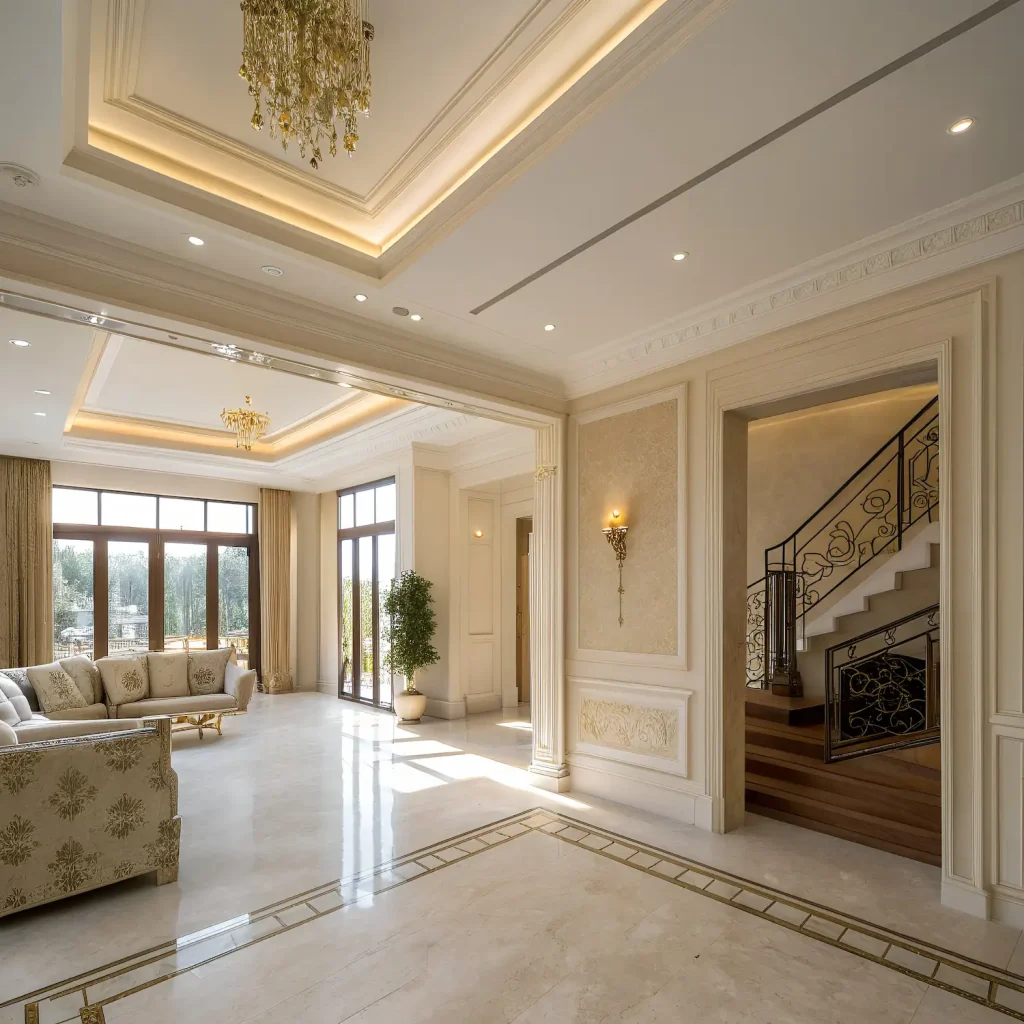
01.
We take time to understand your goals, ideas, and budget, ensuring your vision and priorities guide the project from day one.
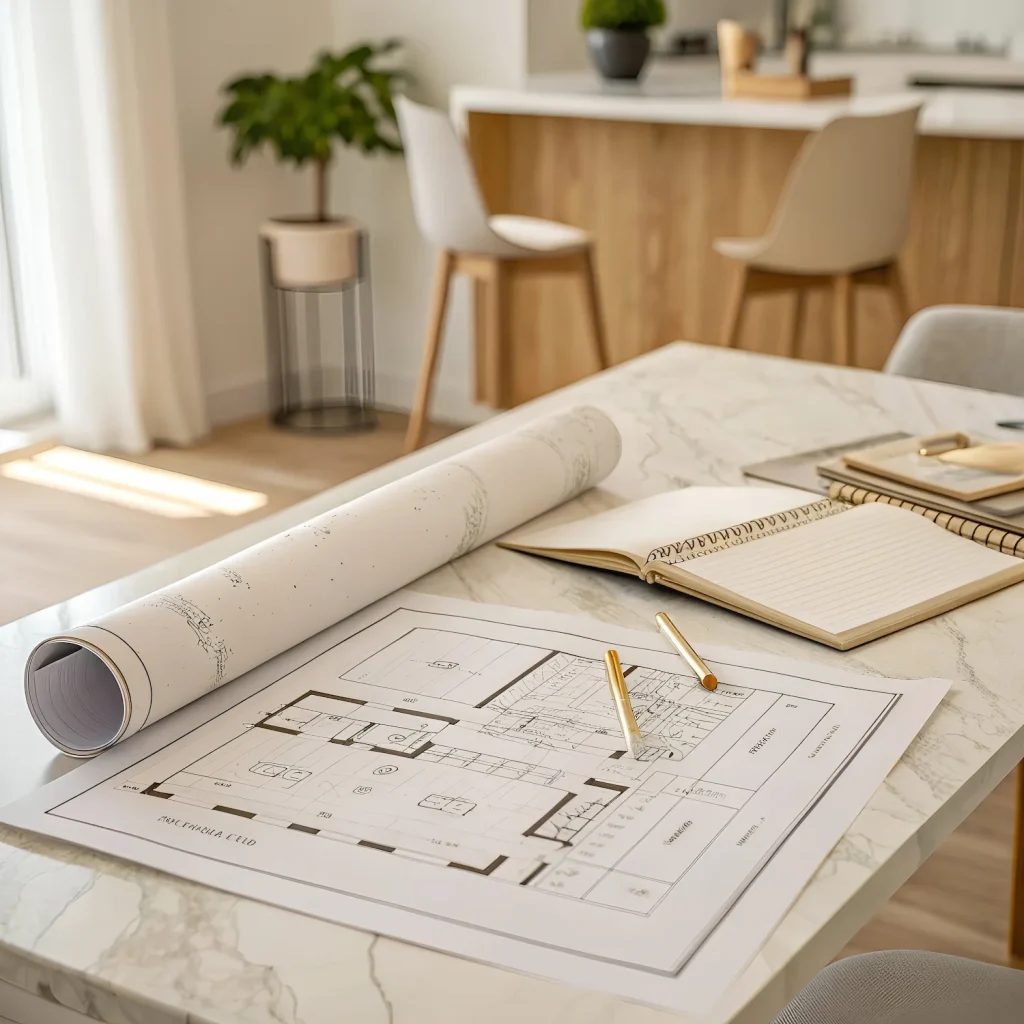
Thoughtful planning and tailored design solutions shaped around your project’s scope, style, and timeline.
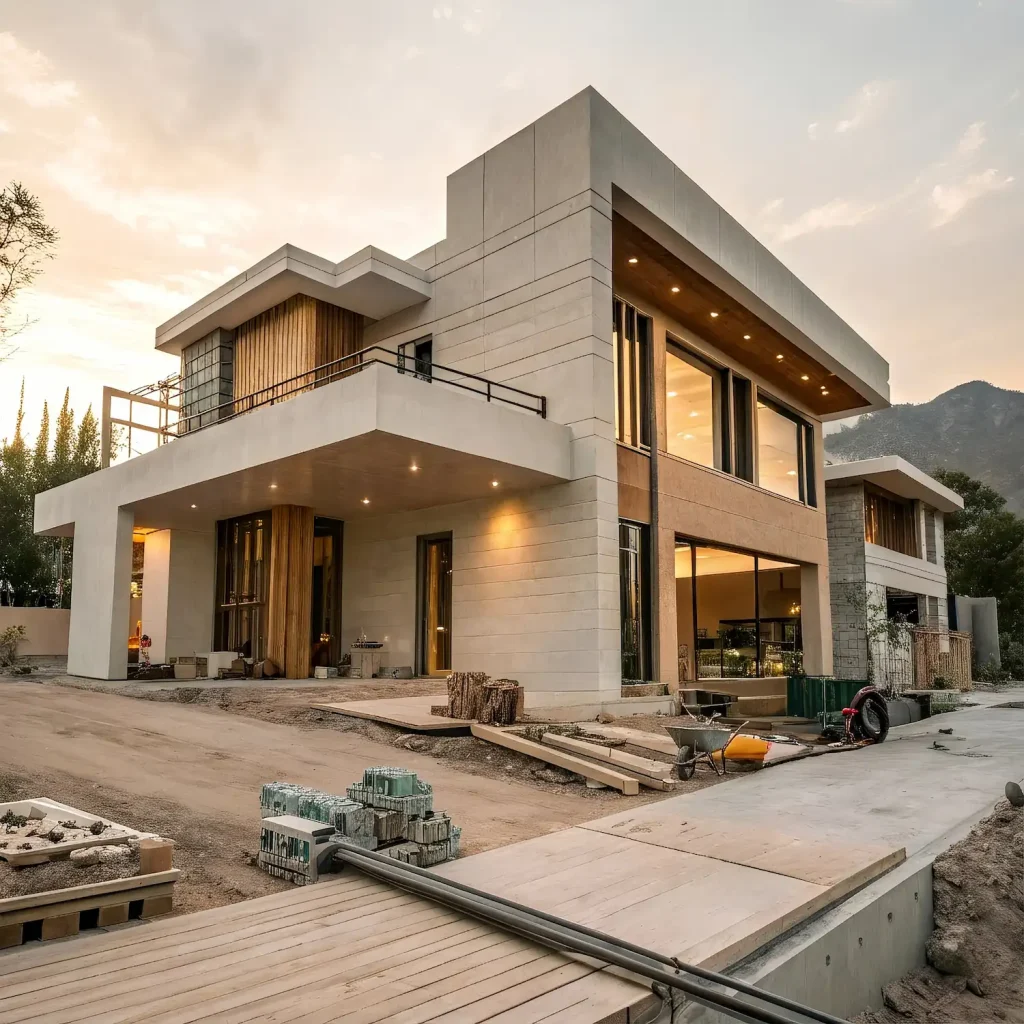
03.
Skilled craftsmanship brought to life with clear communication, consistent updates, and a clean, well-managed job site.
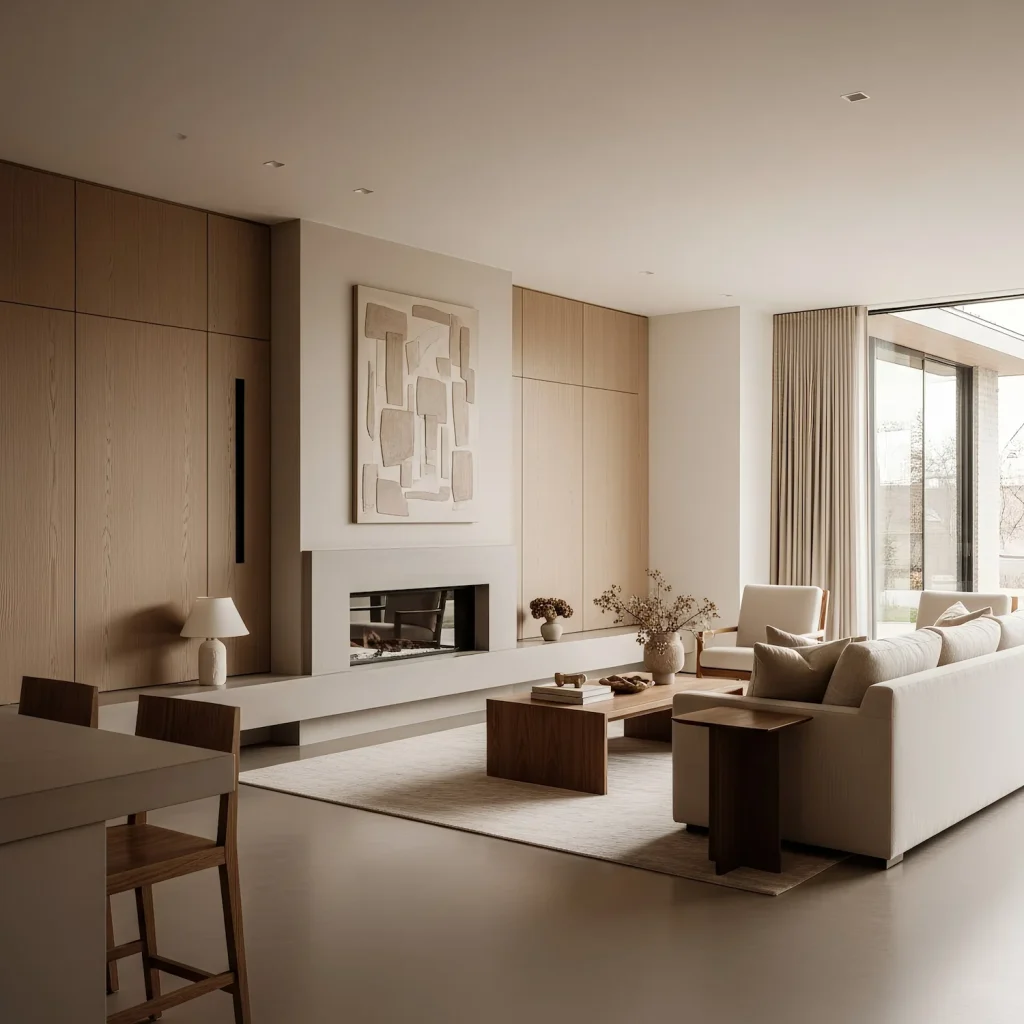
A thorough walkthrough to confirm quality, ensure satisfaction, and deliver a space built to last.
Let’s Build Something Exceptional
Experience refined luxury with interiors crafted to balance elegance, comfort, and functionality. At Summit Construction & Development, we transform your home with timeless design, premium finishes, and thoughtful details, creating spaces that reflect your unique style, vision, and way of living.
Service Area
Serving Western Washington State
We proudly provide general remodeling services throughout Seattle, Bellevue, Tacoma, Everett, Redmond, and surrounding Western Washington communities, delivering local expertise, regional insight, and solutions tailored to the area’s unique architecture and building conditions.
We Provide Siding in Surrounding Areas
Siding Materials and Why They Matter in Washington’s Climate
West Washington is one of the most demanding siding environments in the country. Sustained rain, wind-driven moisture, and limited drying time make material selection and installation detail genuinely consequential here.
Fiber cement. The dominant choice across the Puget Sound region, and for good reason. It does not rot, does not feed mold, resists insects, is non-combustible, and holds paint exceptionally well. Expected service life is 30 to 50 years. It costs more than vinyl and is heavier and more labor-intensive to install, but it is the material best matched to our climate.
Vinyl. The most economical option, never needs painting, and modern products have improved considerably in appearance. It performs adequately in our climate, though it can fade over time and it will not hide an underlying moisture problem — it simply covers it.
Engineered wood. Treated wood-strand products offering real wood appearance at lower cost than fiber cement, with better dimensional stability than natural cedar. Performs well when installed to specification with proper clearances.
Natural cedar. Beautiful on Northwest architecture and traditional in the region, but it demands consistent maintenance here. Expect to re-stain or repaint on a regular cycle, and expect moss and mildew pressure on shaded elevations.
What matters as much as the siding itself. Behind every good siding job is a weather-resistive barrier, proper flashing at windows, doors, and transitions, and — increasingly — a rainscreen gap that allows drainage and drying behind the cladding. In this climate, that drainage plane is what actually keeps water out of the wall assembly.
How to Tell When Siding Needs Replacing
Siding rarely fails all at once. These are the signals worth acting on.
Soft or spongy spots. Press on the siding and the sheathing behind it. Any give indicates moisture has gotten into the wall assembly and rot has started.
Paint that will not hold. Paint peeling repeatedly within a year or two of application usually means moisture is pushing out from behind the siding, not that the paint was applied poorly.
Visible warping, buckling, or cupping. Boards that no longer sit flat have absorbed moisture and are no longer shedding water as designed.
Gaps at joints and around trim. Separated seams and open joints at windows and corners are direct paths for water into the wall.
Interior signs. Staining on interior walls, bubbling drywall paint, or a persistent musty smell along an exterior wall frequently traces back to a failed siding or flashing detail.
Mold and mildew that keeps returning. Recurring growth on the same elevation after cleaning suggests trapped moisture rather than a surface problem.
Rising heating bills. Deteriorated siding and compromised insulation often show up on the utility bill before they show up visually.
Age. Cedar over 20 to 25 years, vinyl over 25 to 30, and hardboard products from the 1980s and 1990s are all worth a professional inspection regardless of appearance.
Where the issue is localized, we repair. Where moisture has reached the sheathing across multiple elevations, replacement is the honest recommendation.
Siding, Insulation and Energy Efficiency
A siding replacement is the one opportunity in a home’s life to improve the wall assembly, and it costs very little extra while the walls are open.
Continuous exterior insulation. Rigid foam installed over the sheathing reduces thermal bridging through the studs, which typical cavity insulation alone cannot address. It measurably improves whole-wall performance.
Air sealing. Sealing penetrations, seams, and transitions during re-siding cuts drafts and heat loss. Air leakage is frequently a bigger energy factor in older Washington homes than insulation R-value.
Rainscreen assemblies. A vented gap behind the cladding lets any water that gets past the siding drain out and lets the assembly dry. In a climate this wet, it meaningfully extends the life of both the siding and the structure behind it.
Housewrap and flashing. A properly lapped weather-resistive barrier with correctly integrated window and door flashing is what actually keeps the wall dry. Siding is the first line of defense; this is the second and more important one.
Utility incentives. Washington utilities periodically offer rebates for insulation and weatherization improvements. It is worth checking your provider’s current programs before the project starts.
The incremental cost of doing this work during a siding replacement is a fraction of doing it as a standalone project later.
Siding FAQs
How much does new siding cost?
In West Washington, vinyl siding generally runs $8 to $14 per square foot installed, engineered wood $11 to $18, and fiber cement $13 to $22. For a typical single-family home that puts vinyl in the $14,000 to $28,000 range and fiber cement in the $22,000 to $45,000 range. Costs rise with the number of stories, architectural complexity, and any rot repair or sheathing replacement discovered once the old siding comes off.
What are the signs my siding needs to be replaced?
What’s the best siding material for Washington’s wet weather?
Does new siding improve energy efficiency?
It can, substantially — but mostly because of what is installed behind it rather than the siding itself. Adding continuous rigid insulation over the sheathing and air-sealing penetrations during re-siding reduces thermal bridging and drafts, and this is dramatically cheaper to do while the walls are already open. Insulated vinyl siding also adds modest R-value. We will walk you through which upgrades make sense for your home’s existing wall assembly.
Do you handle insurance claims for storm-damaged siding?
Yes. We inspect and document damage with photographs and a written assessment you can submit to your insurer, and we can meet your adjuster on site. We are not a public adjuster and do not negotiate the claim for you, but thorough documentation makes a meaningful difference in the outcome. Report storm damage promptly, since most policies require timely notice.

⭐⭐⭐⭐⭐
What Our Clients Are Saying

Michael R.
Seattle, WA
⭐⭐⭐⭐⭐
“Summit Construction & Development did an excellent job on our remodel. The process was smooth, communication was clear, and the quality of work was outstanding.”

Sarah L.
Seattle, WA
⭐⭐⭐⭐⭐
“Summit exceeded every expectation. The craftsmanship, communication, and professionalism were outstanding. Our kitchen feels like a brand-new home.”

Michael R.
Tacoma, WA
⭐⭐⭐⭐⭐
“Doron and his team delivered exceptional quality from start to finish. They were organized, honest, and truly cared about the details.”

Jennifer K.
Everett, WA
⭐⭐⭐⭐⭐
“We finally found a contractor we can trust. The bathroom remodel was seamless, elegant, and finished right on schedule.”

Brian T.
Redmond, WA
⭐⭐⭐⭐⭐
“Professional, reliable, and talented. Our deck and exterior paint upgrade look incredible. We’re already planning our next project with them.”


