
Best Roofing Materials for Pacific Northwest Weather

Choosing a roofing material anywhere else in the country is a different exercise than choosing one in Western Washington. Here, the deciding factors are not extreme heat or heavy snow loads but near-constant rain, persistent moisture, moss and algae growth, and the occasional windstorm. A roofing material that performs beautifully in Arizona or the Midwest is not automatically a good fit for Seattle, Tacoma, or Everett. Here is how the most common roofing materials actually perform in our climate. Asphalt Shingles Asphalt shingles remain the most popular roofing material in the region, and for good reason. They are cost-effective, widely available, come in a broad range of colors and styles, and are straightforward to repair when isolated damage occurs. In a climate like ours, the key upgrade to look for is algae-resistant, or “AR-rated,” shingles, which are treated to slow the growth of the blue-green algae and moss that thrive in persistent moisture. Standard asphalt shingles will develop streaking and moss growth faster in this climate than algae-resistant versions. Asphalt shingles typically last several decades depending on the specific product and installation quality, and they remain the default choice for most residential roofs throughout King, Pierce, and Snohomish counties because they balance cost, appearance, and performance well. Architectural (Dimensional) Shingles A step up from standard three-tab asphalt shingles, architectural shingles are thicker, more textured, and generally more wind-resistant, which matters during the region’s occasional windstorms. They also tend to hide minor roof imperfections better and offer a more dimensional, higher-end appearance. The added durability and curb appeal come at a moderate cost increase over standard asphalt shingles, but many homeowners find the tradeoff worthwhile. Metal Roofing Metal roofing has grown significantly in popularity throughout the Pacific Northwest, and its performance in our climate explains why. Metal sheds water efficiently, resists moss growth far better than asphalt, and holds up well to wind. It also tends to last considerably longer than asphalt shingles, often several decades longer, which can offset its higher upfront cost over the life of the roof. Standing seam metal roofing in particular has become popular for its clean, modern look and excellent water-shedding performance, though it comes at a premium price point compared to asphalt. One consideration: metal roofing can be noisier during heavy rain unless proper insulation and underlayment are used, something a knowledgeable contractor will account for in the installation. Cedar Shake Cedar shake has a long history in the Pacific Northwest and offers a distinctive, natural look that suits many of the region’s craftsman and rustic-style homes. However, wood is inherently more vulnerable to moisture damage, rot, and moss growth than synthetic materials, and it requires more regular maintenance, including periodic treatment, to perform well in our wet climate. Homeowners who choose cedar shake for its appearance should budget for ongoing maintenance as part of the decision, not just the installation cost. Composite and Synthetic Shingles Composite shingles are engineered to mimic the look of cedar shake or slate while offering better moisture resistance and lower maintenance than natural materials. They are a reasonable middle ground for homeowners who want a distinctive look without the ongoing upkeep that natural wood or stone requires, though they come at a higher cost than standard asphalt. Tile and Slate True tile and slate roofing are less common in this region, partly due to cost and partly due to the structural reinforcement they require, since both are significantly heavier than asphalt or metal. When properly installed, they offer excellent longevity and a distinctive appearance, but they are a bigger investment and typically only make sense for homes with the architectural style and structural capacity to support them. What Actually Matters Most in Our Climate Regardless of which material you choose, a few factors matter more in Western Washington than in drier climates: Proper ventilation reduces trapped moisture in the attic, which helps prevent rot and extends the life of any roofing material. Quality underlayment provides a critical second line of defense against the moisture that inevitably gets past the surface material over time. Moss and algae resistance, whether built into the material or maintained through periodic cleaning, significantly affects how long a roof looks good and performs well. Proper flashing around chimneys, vents, and valleys is where the majority of roof leaks actually originate, regardless of the roofing material chosen. Ventilation’s Role in Roofing Performance Regardless of the material on top, a roofing system is only as good as the ventilation underneath it. Proper attic ventilation regulates temperature and moisture, which prevents condensation buildup that can rot decking from below, a failure mode that has nothing to do with the surface material’s quality. In our humid climate, balanced intake and exhaust ventilation is especially important, and it is worth having your roofer evaluate your attic’s ventilation as part of any replacement project rather than treating it as a separate concern. Making the Right Choice for Your Home The right roofing material depends on your budget, how long you plan to stay in your home, your home’s architectural style, and how much ongoing maintenance you are willing to take on. Asphalt shingles remain the practical choice for most homeowners. Metal roofing makes sense for those prioritizing longevity and low maintenance. Cedar shake and specialty materials suit homeowners prioritizing a specific aesthetic and willing to invest in upkeep. Warranty Considerations by Material Warranties vary significantly by roofing material and manufacturer, and understanding what is actually covered matters as much as the length of the warranty itself. Asphalt shingle warranties typically cover material defects for a set number of years, though many are prorated, meaning the coverage value decreases over time. Metal roofing often carries longer warranties reflecting its longer expected lifespan, while cedar shake and specialty materials may carry more limited warranty coverage given their higher maintenance requirements. It is also worth distinguishing between a manufacturer’s material warranty and a contractor’s workmanship warranty, since these are separate and both matter. A premium roofing material installed poorly will still fail
7 Signs You Need a Roof Replacement in Western Washington
Roofs in Western Washington work harder than roofs almost anywhere else in the country. Between near-constant winter rain, moss growth, occasional windstorms, and the region’s mild but persistently damp climate, a roof here faces a slow, steady wear pattern rather than sudden dramatic damage. That makes it easy for homeowners to miss the warning signs until a small problem becomes a costly one. Here are seven signs that it may be time to consider a roof replacement rather than another round of repairs. 1. Your Roof Is Approaching or Past Its Expected Lifespan Asphalt shingle roofs typically last between 20 and 30 years depending on the product and installation quality, while some premium materials last longer. If you know or can find out when your roof was last replaced and it is approaching or past that range, it is worth having it inspected even if you have not noticed obvious problems yet. Roofs often fail from the inside out, with underlayment and decking deteriorating before visible symptoms appear on the surface. 2. Shingles Are Curling, Cracking, or Missing Healthy asphalt shingles lie flat and uniform. Curling edges, cracked surfaces, or shingles that are visibly missing after a windstorm are signs the roofing material has reached the end of its useful life. A few missing shingles can sometimes be repaired, but widespread curling or cracking across the roof usually indicates the entire roofing system is deteriorating, not just isolated spots. 3. Granules Are Collecting in Your Gutters Asphalt shingles are coated with granules that protect them from UV exposure and weather. As shingles age, these granules shed and collect in gutters and downspouts, often showing up as a gritty, sand-like residue. Some granule loss is normal even on a newer roof, but heavy, ongoing accumulation is a strong signal that the shingles are breaking down. 4. Moss and Algae Growth Is Widespread Western Washington’s damp climate makes moss growth almost inevitable on shaded roofs over time, but a moss problem is more than cosmetic. Moss holds moisture against the roofing material, which accelerates deterioration and can lift shingles at the edges, allowing water to work its way underneath. Light moss can often be cleaned and treated, but heavy, persistent moss combined with other symptoms on this list often points toward replacement rather than ongoing maintenance. 5. You Notice Water Stains, Leaks, or Daylight in the Attic Water stains on ceilings or walls, active leaks during heavy rain, or visible daylight coming through the roof deck when viewed from inside the attic are all signs that the roof’s waterproofing has failed. By the time water is visibly entering the living space, there is often already hidden damage to the decking, insulation, or framing that needs to be addressed as part of the repair or replacement. 6. Your Roof Line Is Sagging A sagging roof line, especially between rafters or along a ridge, is a more serious structural concern and should be inspected promptly. Sagging can indicate prolonged water damage, rotting decking, or structural stress, and it is not something that resolves with a standard repair. 7. Your Energy Bills Are Creeping Up An aging, deteriorating roof can allow air infiltration and reduced insulation performance, which shows up as gradually increasing heating costs, particularly during Western Washington’s colder, wetter months. If your energy bills have crept up without an obvious explanation, a failing roof is worth ruling out. The Cost of Waiting Too Long Delaying a needed roof replacement rarely saves money in the long run. Water that penetrates a failing roof does not stay contained to the roof itself; it can damage attic insulation, ceiling drywall, framing, and even lead to mold growth inside wall cavities, all of which cost significantly more to repair than the roof replacement alone would have. Addressing roofing issues proactively, rather than waiting until a leak becomes obvious inside the home, is almost always the more cost-effective path. Repair or Replace? How to Decide Not every roofing issue requires full replacement. A single area of damage, such as a few missing shingles after a storm, is often a straightforward repair. Full replacement generally makes more sense when: Multiple issues from this list are present at once The roof is at or beyond its expected lifespan Repairs would be needed in multiple areas rather than one isolated spot The underlying decking has been compromised by water damage A qualified roofing contractor can inspect the roof, including the attic space, and give you an honest assessment of whether repair or replacement is the more cost-effective path for your specific situation. What Happens During a Professional Roof Inspection A thorough roof inspection covers more than a quick look from the ground. A qualified roofer should physically examine the roof surface for shingle condition, granule loss, and moss growth, check flashing around chimneys, vents, and valleys where leaks most commonly originate, and inspect the attic from the inside for signs of water staining, daylight penetration, or inadequate ventilation. A written report summarizing what was found, along with photos, gives you a clear record to reference whether you decide on repair, replacement, or simply monitoring the roof for now. If you are purchasing a home, an independent roof inspection separate from the general home inspection is often worth the added cost, since roofing issues are among the most expensive to address after closing and are sometimes underestimated in a standard whole-home inspection. Choosing Roofing Materials for the Pacific Northwest If replacement is the right call, Western Washington’s climate makes material choice especially important. Asphalt shingles remain the most common and cost-effective choice, with algae-resistant options specifically designed to slow moss and algae growth. Metal roofing offers excellent longevity and sheds moisture efficiently, while cedar shake, though traditional and attractive, requires more maintenance in a wet climate. A local roofing contractor familiar with the region’s weather patterns can help you weigh these options against your budget and the style of your home. Frequently Asked Questions How often should I have my roof
Protect Your Home with Roofing and Siding Contractor in West Washington Services
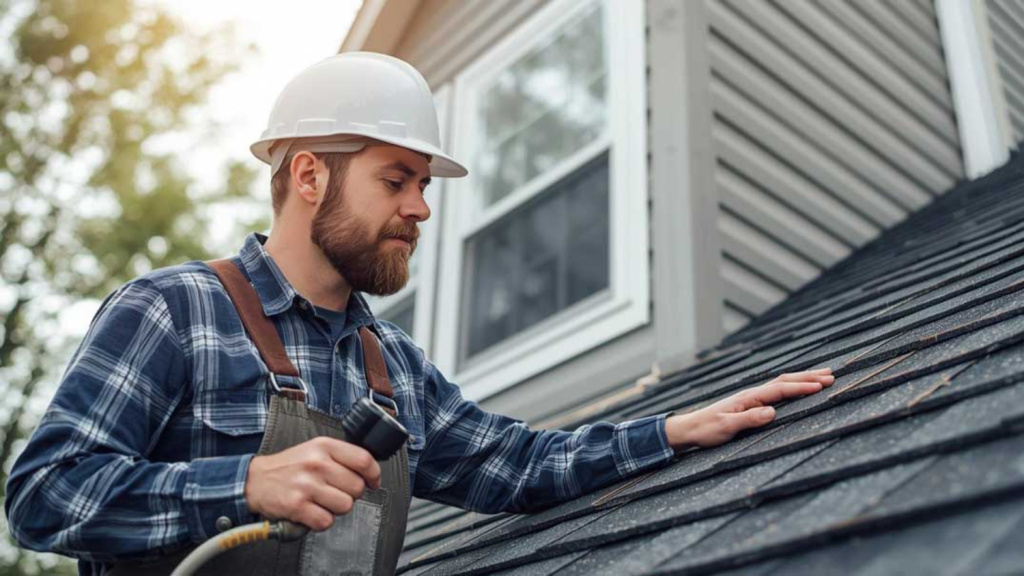
Your roof and siding are two of the most important components of your home. Together, they protect your property from harsh weather, improve energy efficiency, and enhance curb appeal. Whether you’re planning a complete exterior renovation or need repairs after storm damage, hiring a professional Roofing and siding contractor in West Washington ensures your project is completed with quality materials, expert craftsmanship, and long-lasting results. Why Roofing and Siding Matter A strong roofing system and durable siding work together to safeguard your home against rain, wind, snow, moisture, and temperature changes. When either system begins to deteriorate, it can lead to costly issues such as water damage, mold growth, higher energy bills, and structural problems. Investing in timely repairs or replacements helps maintain the integrity of your home while preserving its value. Professional Roofing Services Experienced roofing contractors provide a wide range of services designed to keep your roof performing at its best. Common roofing solutions include: Roof inspections Roof repairs Complete roof replacement Asphalt shingle roofing Metal roofing installation Storm damage restoration Flashing repairs Roof ventilation improvements Preventative maintenance A professional inspection helps identify hidden issues before they become major repair expenses. Quality Siding Installation Modern siding not only improves the appearance of your home but also adds an extra layer of protection against the elements. New siding can increase energy efficiency while reducing maintenance requirements. Popular siding options include: Vinyl siding Fiber cement siding Engineered wood siding Composite siding Traditional wood siding Insulated siding Each material offers unique advantages in durability, appearance, and maintenance, allowing homeowners to choose the best option for their property. Signs It’s Time for Replacement Knowing when to repair or replace your roof or siding can prevent more extensive damage. Watch for signs such as: Missing or damaged shingles Water stains on ceilings or walls Cracked or warped siding Mold or mildew growth Loose siding panels Increased energy bills Frequent leaks Visible storm damage Addressing these issues promptly helps avoid larger structural repairs in the future. Benefits of Hiring Experienced Contractors Working with qualified professionals provides peace of mind throughout the project. Benefits include: Accurate inspections Expert installation High-quality building materials Compliance with local building codes Improved weather protection Enhanced curb appeal Manufacturer-backed product recommendations Long-lasting workmanship Professional contractors also help homeowners select materials that complement the home’s style while fitting their budget. Maintaining Your Exterior Routine maintenance extends the lifespan of both roofing and siding systems. Annual inspections, gutter cleaning, prompt repairs, and regular exterior cleaning help protect your investment and reduce long-term maintenance costs. Scheduling inspections after severe weather can also identify hidden damage before it worsens. Choosing a trusted Roofing and siding contractor in West Washington is one of the best ways to protect your home’s structure, improve energy efficiency, and enhance its overall appearance. Whether you need minor repairs, complete replacement, or preventative maintenance, experienced professionals provide dependable solutions tailored to your property’s needs. With quality materials and expert craftsmanship, your roof and siding will continue protecting your home for many years while adding lasting beauty and value.
Protect Your Property with a Roofing and Siding Contractor in West Washington
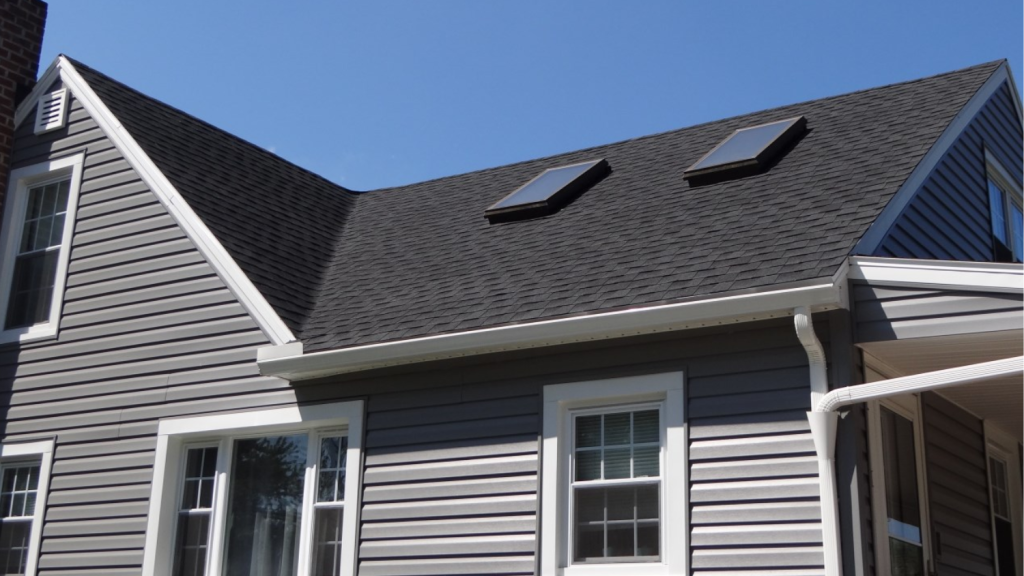
Your home’s exterior is its first line of defense against rain, wind, moisture, and changing weather conditions. Hiring a professional roofing and siding contractor in West Washington ensures your property stays protected while improving curb appeal and long-term value. Whether you need roof replacement, siding installation, storm damage repair, or a complete exterior renovation, experienced contractors provide the expertise needed for durable and attractive results. Professional contractors like Upper West Exteriors and companies such as American West Contracting specialize in both residential and commercial exterior improvements. American West Contracting serves the greater Seattle and Puget Sound area with roofing, siding, painting, remodeling, decking, and window replacement services, focusing on both residential and commercial projects. We are highlights licensed and bonded roofing services across Western Washington, with solutions built specifically for the region’s heavy rain, storms, and damp conditions. Their services include roof replacements, repairs, and full roofing systems for homes and businesses. One of the biggest advantages of working with a roofing and siding contractor is access to customized material options. Homeowners can choose asphalt shingles, metal roofing, TPO, EPDM, vinyl siding, fiber cement siding, cedar siding, or engineered wood depending on budget and style preferences. MR353 Roofing offers shingles, metal roofing, TPO, EPDM, vinyl siding, cedar, and engineered wood solutions designed for Washington’s climate. Siding installation is especially important in West Washington because moisture management is critical. Proper flashing, waterproof barriers, and drainage systems help prevent mold, rot, and structural damage. Pacific West Construction and Maintenance emphasizes moisture control, waterproofing, and code compliance for siding replacement, roofing, and deck construction across Western Washington. Community advice also supports getting multiple quotes before hiring. In a recent West Seattle discussion, homeowners recommended comparing at least three to four estimates, checking reviews, and verifying contractor history before making a decision. Some specifically recommended Upper West Exteriors for being responsive and flexible. Professional installation is essential for safety and long-term durability. Licensed contractors ensure roof systems, flashing, siding wrap, and structural components meet local building codes. This reduces the risk of leaks, insulation problems, and expensive repairs later. Many also provide warranties for both materials and workmanship for added peace of mind. Roofing and siding upgrades also improve energy efficiency. Better insulation, properly installed siding, and modern roofing materials help regulate indoor temperatures, reducing heating and cooling costs throughout the year. This is especially valuable in Washington’s changing seasonal climate. In conclusion, choosing the right roofing and siding contractor in West Washington helps protect your investment while improving comfort, appearance, and property value. Whether you need a full roof replacement, siding repair, or a complete exterior renovation, working with experienced professionals ensures your home remains strong, efficient, and beautiful for years to come.