
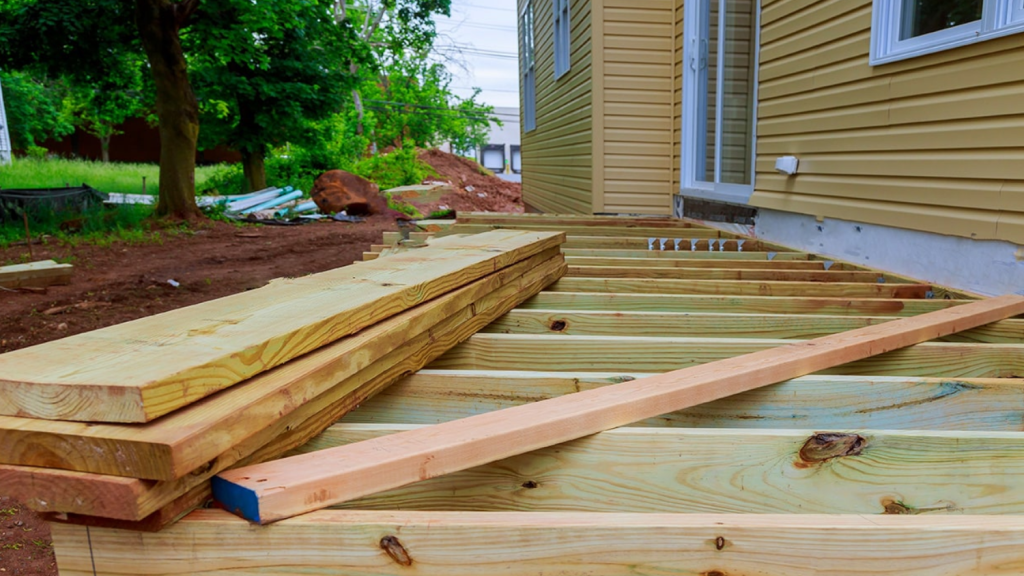

Wooden fences offer a classic and versatile solution for defining property lines, enhancing privacy, and improving curb appeal. While seemingly straightforward, understanding the nuances of wood types, construction techniques, and proper care is key to ensuring your fence is both beautiful and durable. This guide delves into what’s involved in selecting, installing, and maintaining wooden fences for homeowners and businesses.
Key points
- Selecting the right wood type is crucial for fence aesthetics and durability.
- Proper installation, including secure post setting, ensures fence stability.
- Regular maintenance like cleaning and sealing prolongs the life of wooden fences.
- Wooden fences complement other exterior and interior home improvement services.
Choosing the Right Wood for Your Fence
The type of wood selected for a fence significantly impacts its appearance, durability, and cost. Common choices include pressure-treated pine, cedar, redwood, and cypress. Pressure-treated lumber is chemically treated to resist rot, decay, and insect infestation, making it a cost-effective and long-lasting option. Cedar and redwood are naturally resistant to these issues, offering a more premium look and feel, though they typically come at a higher price point. Cypress also boasts natural durability and resistance. Each wood type has distinct grain patterns and color variations, influencing the final aesthetic of your wooden fences.
The Installation Process
Installing wooden fences involves several critical steps to ensure structural integrity and longevity. First, precise measurements and property line verification are essential. Posts are then set, typically in concrete, to provide a stable foundation, especially important in areas like Lakeland, FL, or Orlando, FL, where soil conditions can vary. The spacing and depth of these posts depend on the fence’s height and expected wind load. Once the posts are secure, horizontal rails are attached, followed by the vertical pickets or panels. Proper alignment and secure fastening are crucial for a fence that withstands weather and time. Gates, if included, require careful installation to ensure smooth operation and proper fit.
Maintenance for Longevity
To keep wooden fences looking their best and functioning properly, regular maintenance is necessary. This typically involves cleaning the fence to remove dirt, mildew, and debris. Staining or sealing the wood can provide an additional layer of protection against moisture, UV rays, and wear. The frequency of staining or sealing depends on the type of wood and the climate, but generally, it’s recommended every few years. Inspecting the fence periodically for loose pickets, rot, or insect damage allows for timely repairs, preventing minor issues from becoming major problems.
Beyond Basic Fencing: Related Services
While focusing on wooden fences, it’s worth noting how this service integrates with other property enhancement projects. A well-built fence complements other exterior improvements such as new siding or updated wood & composite decks. For businesses, maintaining a professional appearance is key, and services like interior & exterior painting or even flooring upgrades can be part of a larger renovation strategy. Understanding the scope of a project, whether it’s installing wooden fences, updating siding, or painting, ensures a cohesive and value-adding improvement to any property.
Common questions
What are the most common types of wood used for fences?
The most common types of wood for fences are pressure-treated pine, cedar, redwood, and cypress, each offering different levels of natural resistance to decay and insects, as well as varying aesthetic qualities.
How often should a wooden fence be stained or sealed?
The frequency for staining or sealing a wooden fence varies based on the wood type and local climate, but a general recommendation is every few years to maintain protection and appearance.
What is involved in the installation of wooden fences?
Fence installation includes verifying property lines, setting posts securely (often in concrete), attaching horizontal rails, and fastening vertical pickets or panels, ensuring proper alignment and structural integrity.
Can wooden fences be a part of larger property improvement projects?
Yes, wooden fences can be integrated with other projects like installing new siding, building wood & composite decks, or enhancing curb appeal through exterior painting, contributing to a comprehensive property upgrade.