When considering new wooden fences for your property in Lakeland, FL, understanding the cost is a primary concern. The final price isn’t a simple figure; it’s a reflection of several interconnected elements. From the type of wood chosen to the complexity of the installation, each decision impacts your budget. This guide breaks down the key components that determine the overall expense, helping you make an informed choice for your home or business.
Key points
- Wood type is a primary cost driver for wooden fences.
- Labor and installation complexity significantly impact the final price.
- Site preparation and chosen fence design affect overall expenses.
- Fence height and style directly correlate with material usage and cost.
- Consider long-term value versus initial cost when selecting materials.
Material Selection and Its Impact on Price
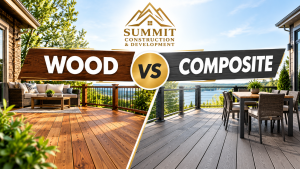
The most significant factor influencing the cost of wooden fences is the type of wood used. Different species offer varying degrees of durability, natural resistance to rot and insects, and aesthetic appeal, all of which are reflected in their price. Pressure-treated pine is a common and cost-effective option, enhanced to withstand moisture and decay. Cedar and redwood are naturally more resistant to these issues and often come with a higher price tag. Their natural oils and beauty make them a popular choice for those seeking a premium look and longer lifespan. The grade and quality of the lumber also play a role; higher-grade wood with fewer knots and imperfections will naturally cost more. Beyond traditional wood, the option of composite materials, often paired with wood for decks, presents another cost consideration, though this article focuses on traditional wooden fences.
Labor and Installation Complexity
The cost of labor is a substantial part of any fencing project. Experienced professionals charge for their expertise, efficiency, and the physical work involved. Installation complexity can significantly increase labor costs. Factors like the terrain of your property, the total length and height of the fence, and the number of gates required all influence the time and effort needed. Difficult sites, such as those with steep slopes, rocky soil, or existing obstructions, will likely require more labor hours and potentially specialized equipment, driving up the overall expense. A straightforward installation on level ground will generally be more economical than one requiring extensive site preparation.
Site Preparation and Additional Features
Before any fence can be erected, the site must often be prepared. This can involve clearing land, removing existing structures or vegetation, and ensuring proper grading. The extent of this preparation directly adds to the project’s cost. Additionally, the design and features you choose will influence the final price. Simple, straight-line fences are typically less expensive than those with intricate designs, decorative post caps, or custom lattice work. The type and quality of hardware, such as hinges and latches for gates, also contribute to the overall expense. While features like siding, flooring, or painting are separate services, they highlight how property enhancements can have varied cost structures based on materials and complexity.
Fence Height, Style, and Longevity
The height of your wooden fence directly correlates to the amount of material needed, thus affecting the cost. Taller fences require more lumber and often more robust posts and bracing, increasing the price. Similarly, the style of the fence plays a role. Privacy fences, with closely spaced boards, use more material than picket fences or ranch-style fences. The intended longevity and maintenance requirements of your chosen wood also factor into the long-term cost. While a less expensive wood might be cheaper initially, it may require more frequent maintenance or replacement sooner than a more naturally durable and costly option, potentially making the latter more economical over time. Considering this balance is key when planning your investment.
Common questions
What are the main factors that influence the cost of wooden fences in Lakeland, FL?
The main factors influencing the cost of wooden fences include the type and grade of wood selected, the complexity of the installation, labor rates, site preparation needs, fence height and style, and any additional features or hardware.
Is pressure-treated pine the most economical wood for fences?
Pressure-treated pine is generally one of the most economical wood options for fences due to its widespread availability and lower initial cost compared to naturally resistant woods like cedar or redwood.
How does the terrain of my property affect fence costs?
Difficult terrain, such as slopes or rocky soil, can increase fence costs by requiring more labor, specialized equipment for installation, and potentially more complex footing solutions.
Are decorative elements more expensive on wooden fences?
Yes, decorative elements such as custom post caps, lattice work, or intricate panel designs generally increase the cost of wooden fences because they require more specialized labor and materials.