
Wood vs. Composite Decking: Which Should You Choose?
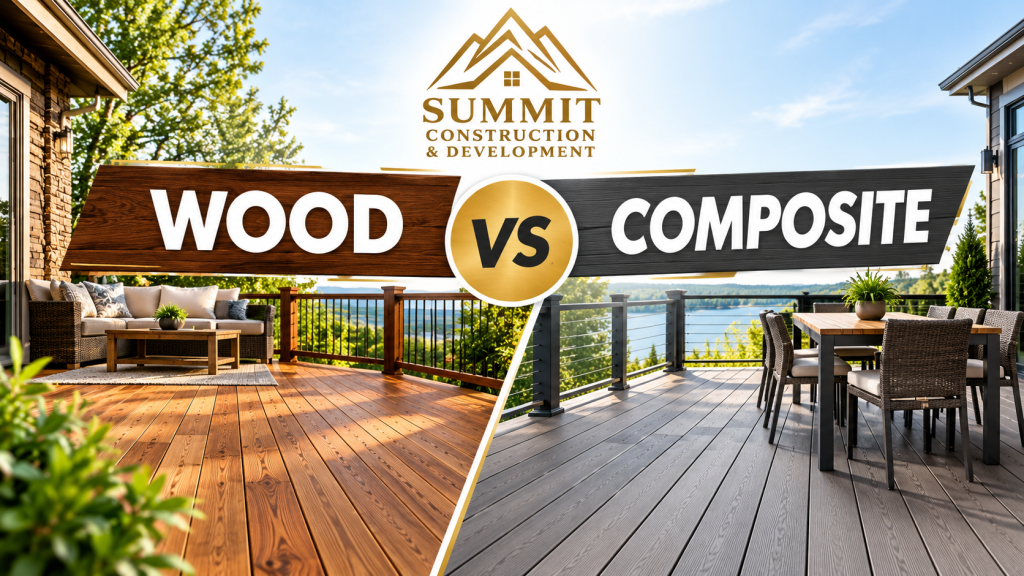
A deck is one of the highest-value additions you can make to a home in a region as outdoor-oriented as Western Washington, where the dry summer months make outdoor living space especially valuable. When it comes time to build or replace one, the decision between natural wood and composite decking is one of the first, and most important, choices you will make. Both have real strengths. Here is how they actually compare. Upfront Cost Natural wood, particularly pressure-treated lumber, is generally the more affordable option upfront. Cedar and other premium wood species cost more than pressure-treated lumber but are still typically less expensive initially than composite decking. Composite decking carries a higher upfront material cost, which is one of the main reasons homeowners weigh the two options carefully before deciding. Long-Term Maintenance This is where the comparison shifts significantly. Wood decking, especially in Western Washington’s wet climate, requires regular maintenance to perform well and look good over time. That typically means annual or biennial cleaning, sanding as needed, and staining or sealing to protect against moisture, UV exposure, and the freeze-thaw cycles common here. Skipping this maintenance accelerates graying, splintering, and rot. Composite decking requires dramatically less maintenance. Most composite products only need occasional washing to remove dirt, pollen, or mildew, with no staining, sealing, or sanding required. Over the life of the deck, this maintenance difference often narrows or even reverses the upfront cost gap. Durability and Lifespan Composite decking generally outlasts wood decking, particularly in a wet climate where wood is more susceptible to rot, insect damage, and warping over time. Quality composite products are engineered to resist moisture, fading, and staining, and many carry lengthy warranties reflecting that durability. Wood decking, even with diligent maintenance, has a shorter practical lifespan before boards need replacing due to rot, splitting, or structural wear, particularly for boards in constant contact with moisture. Appearance and Feel Natural wood has an authentic warmth, texture, and grain variation that many homeowners genuinely prefer, and it can be stained in a range of colors to match a home’s exterior. Composite decking has improved significantly in appearance over the years, with modern products offering convincing wood-grain texture and a range of colors, though some homeowners can still tell the difference up close. Wood also tends to feel slightly cooler underfoot in direct sun compared to some composite products, which can retain more heat. Environmental Considerations Composite decking is typically made from a combination of recycled wood fibers and recycled plastic, which appeals to homeowners prioritizing recycled content. Sustainably sourced or FSC-certified wood decking is a renewable resource, though it requires more ongoing chemical treatment (stains and sealants) over its lifespan than composite does. Which Performs Better in Western Washington’s Climate Specifically? Our climate is genuinely tough on wood decking. Nine months of rain, combined with periods of dry summer heat, create ideal conditions for wood to expand, contract, and eventually warp or crack if not properly maintained. Composite decking’s resistance to moisture absorption makes it particularly well-suited to this climate, which is a major reason it has grown in popularity throughout the region even with its higher upfront cost. Warranty Differences Worth Understanding Composite decking products typically carry longer warranties than wood, often reflecting the manufacturer’s confidence in the material’s resistance to fading, staining, and structural issues over time. Wood decking generally does not carry a comparable product warranty, since its performance depends heavily on ongoing maintenance rather than the material itself. When comparing composite products, it is worth reading warranty terms carefully, since some cover only structural defects while others also cover fading or staining, which affects the practical value of the coverage. Making the Right Choice for Your Deck Choose wood if: You prioritize the authentic look and feel of natural material, your upfront budget is the primary constraint, and you are willing to commit to regular maintenance to protect your investment. Choose composite if: You want to minimize long-term maintenance, you plan to stay in your home long enough to benefit from composite’s longer lifespan, and your budget supports the higher initial investment. Many homeowners also choose a hybrid approach, using composite decking for the boards and wood, or a low-maintenance metal, for the railing and structural framing, balancing cost, appearance, and maintenance across different parts of the project. Railing, Substructure, and Fasteners Matter Too The decking boards themselves get most of the attention, but the substructure, railings, and fasteners play a significant role in how well a deck performs over time, regardless of which decking material you choose. Pressure-treated joists and framing remain the standard structural base for most decks in our region, and proper spacing and support are critical to prevent sagging or bounce, particularly under composite decking, which can require different joist spacing than wood depending on the manufacturer’s specifications. Fasteners matter more than many homeowners realize. Hidden fastener systems, increasingly common with composite decking, create a cleaner surface without visible screw heads, while also reducing the small gaps where moisture and debris can collect around exposed fastener heads. Railings, whether wood, composite, metal, or cable, should be chosen not just for appearance but for how well they hold up to our climate’s moisture exposure over time. Planning for How You Will Actually Use the Deck Before finalizing a material decision, it helps to think through how the deck will actually be used. A deck primarily used for entertaining and outdoor dining benefits from a smooth, splinter-free surface, which favors composite or well-maintained smooth-finish wood. A deck intended for bare feet around a hot tub or in direct summer sun should account for how each material handles heat, since some composite products can retain more heat underfoot in direct sunlight than natural wood. If you are building a multi-level deck or one with significant stairs and railings, discuss material options for each component with your contractor, since mixing materials strategically across different parts of the structure can balance cost, appearance, and performance effectively. Frequently Asked Questions Does composite
Transform Outdoor Living with Deck Builder Wood and Composite Decks West Washington Experts
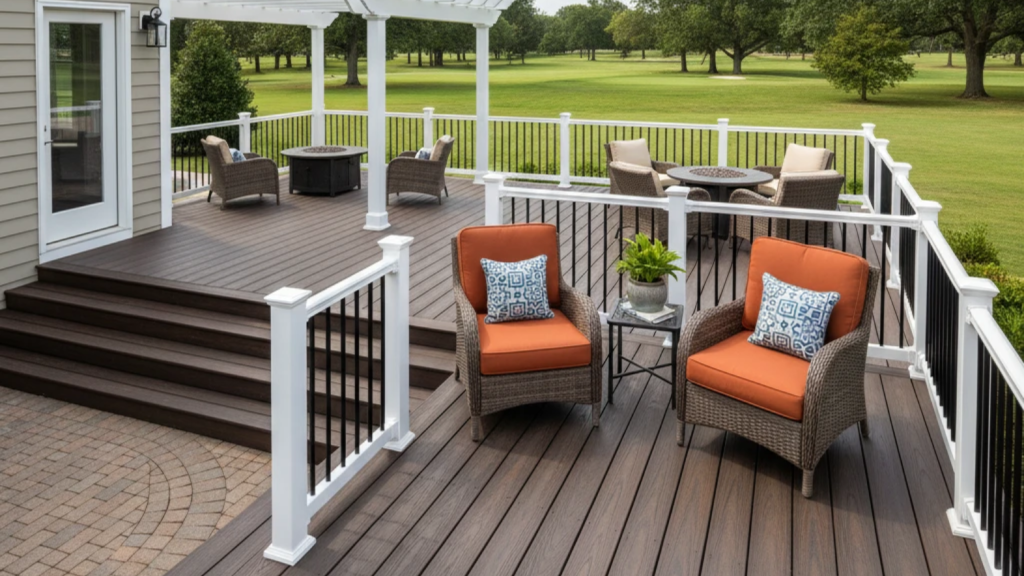
A beautifully designed deck adds comfort, functionality, and value to any home. Whether you envision a cozy space for family gatherings or a large entertainment area for hosting guests, working with a professional Deck builder wood and composite decks West Washington ensures your project is completed with quality craftsmanship and durable materials. From traditional wood decks to low-maintenance composite options, experienced builders can create an outdoor living space that complements your home and lifestyle. Why Add a Deck to Your Home? A custom deck extends your living space beyond your home’s interior, creating a comfortable area for relaxing, dining, or entertaining. It also enhances curb appeal and may increase your property’s resale value. Additional benefits include: Expanded outdoor living space Increased property value Ideal area for entertaining guests Improved backyard functionality Attractive home appearance Custom design options Better connection with outdoor surroundings A professionally built deck becomes an extension of your home that your family can enjoy throughout the year. Wood vs. Composite Decking One of the first decisions homeowners make is choosing between natural wood and composite decking materials. Wood Decks Wood remains a classic option because of its natural beauty and timeless appeal. Popular choices include pressure-treated lumber, cedar, and redwood. Advantages include: Traditional appearance Natural wood grain Lower initial installation cost Easy to customize or stain Routine maintenance such as sealing, staining, and occasional repairs helps preserve the beauty of wood decks. Composite Decks Composite decking combines recycled wood fibers and durable polymers to create a long-lasting, low-maintenance alternative. Benefits include: Resistant to moisture and insects Minimal maintenance Fade-resistant colors No splintering Long lifespan Excellent durability Many homeowners choose composite materials because they require less upkeep while maintaining an attractive appearance for years. Professional Design and Installation Experienced deck builders begin each project with a consultation to understand your goals, available space, and budget. They help you choose the best materials, layout, railing systems, stairs, lighting, and finishing details to match your home’s architecture. Professional installation ensures proper structural support, accurate measurements, and compliance with local building codes. Maintaining Your Investment Regular maintenance helps extend the life of your deck. Wood decks should be cleaned, sealed, and inspected periodically for signs of weathering or loose fasteners. Composite decks generally require only occasional washing with mild soap and water to maintain their appearance. Routine inspections also help identify minor issues before they become costly repairs. Choosing the Right Deck Builder When selecting a contractor, look for experience, quality craftsmanship, clear communication, and a reputation for customer satisfaction. A trusted deck builder will provide detailed project estimates, recommend suitable materials, and deliver a finished product that meets your expectations. Working with skilled professionals ensures your outdoor living space is both beautiful and built to last. Hiring a professional Deck builder wood and composite decks West Washington is the first step toward creating a functional and inviting outdoor space. Whether you prefer the natural charm of wood or the low-maintenance durability of composite decking, experienced builders can design and install a deck that enhances your home’s beauty, comfort, and value. With quality materials and expert craftsmanship, your new deck can provide years of enjoyment for family and friends.
Build the Perfect Outdoor Space with a Deck Builder for Wood and Composite Decks in West Washington
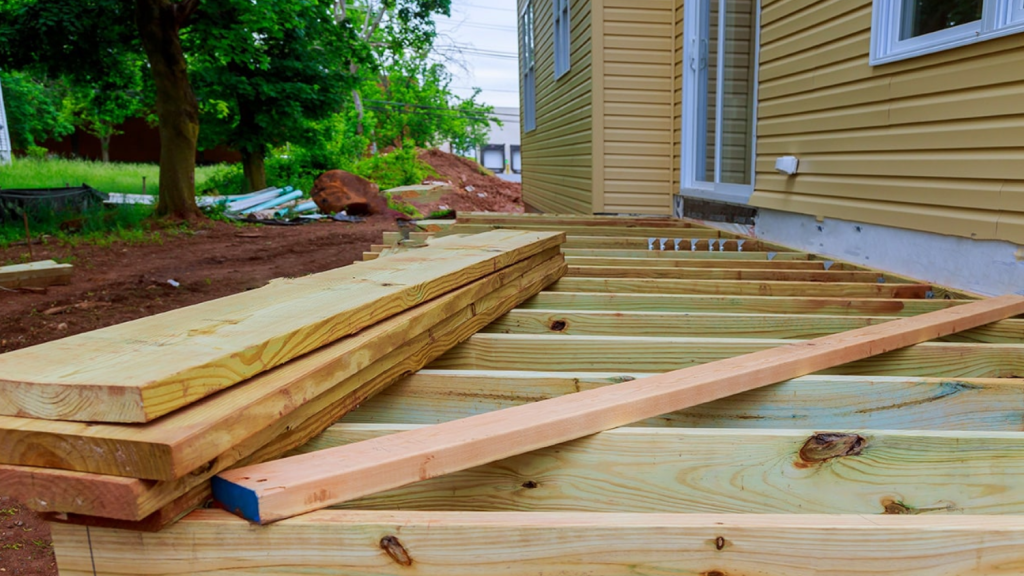
A professionally built deck adds beauty, functionality, and long-term value to your home. Hiring an experienced deck builder for wood and composite decks in West Washington ensures your outdoor space is designed for both style and durability—especially important in the Pacific Northwest climate. Whether you want a classic cedar deck or a low-maintenance composite deck, the right contractor can help create an outdoor living space that fits your lifestyle and withstands Washington’s rain and changing seasons. Professional deck builders such as Decks by Northwest and regional specialists like Deck Builders North West focus on custom outdoor spaces using wood, composite, and PVC decking systems. They also offer pergolas, covered decks, railings, and enclosures for full outdoor living upgrades. Many builders emphasize durable, low-maintenance construction and licensed, insured service for long-term peace of mind. Composite decking has become one of the most popular choices for West Washington homeowners because it resists moisture, fading, rot, and everyday wear. Companies like All Decks highlight composite decks as ideal for homeowners who want a beautiful outdoor space without constant staining or sealing. Composite decks are especially useful in wet climates because they require far less maintenance than traditional wood. Wood decks, especially cedar and hardwood options, remain a favorite for homeowners who prefer a natural, warm appearance. Cedar offers timeless beauty and a classic Northwest style, while hardwoods provide extra strength and longevity. Contractors like MoDecks also recommend premium materials like TimberTech, Trex, and AZEK for homeowners who want the durability of composite with a more refined finish. Reddit discussions from homeowners in Washington often recommend composite decking for the Pacific Northwest because it avoids the constant sealing and staining that wood requires. One homeowner noted that “you get your weekends back” by choosing composite over cedar due to reduced maintenance. Others strongly advise checking permits and structural engineering—especially for elevated or slope-side decks—before hiring any contractor. Professional installation is critical because decks require proper framing, drainage, footing systems, and permits. In West Washington, sloped lots and heavy rainfall often require engineered foundations, helical piles, or reinforced footings. Builders like Alki Deck Builders and structural specialists like MoDecks focus on safe framing, drainage, and code-compliant construction designed for local conditions. A custom deck also increases property value and expands usable living space for entertaining, dining, and relaxing outdoors. Features like built-in seating, covered patios, glass railings, pergolas, and lighting can turn a simple deck into a complete outdoor retreat. In conclusion, hiring a deck builder for wood and composite decks in West Washington is the best way to create an outdoor space that is beautiful, safe, and built to last. Whether you choose the natural charm of cedar or the convenience of composite decking, working with experienced professionals ensures your deck becomes a valuable extension of your home for years to come.